


Holbox Travel Guide: What to Do, Where to Stay & How to Get There
Holbox is a slower island experience built around beaches, wildlife, sandy streets, small hotels and time outside. This guide explains how to reach it, how long to stay and what is worth planning before you arrive.
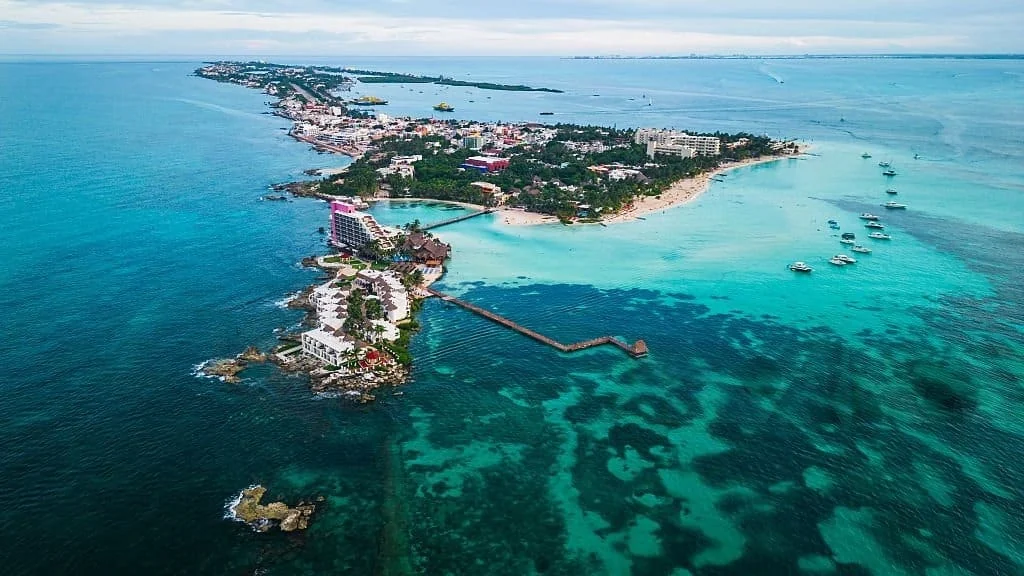
Holbox is an island off the northern coast of Quintana Roo, within the Yum Balam Flora and Fauna Protection Area. Most visitors reach it by road to Chiquila and then passenger ferry. Once on the island, sandy streets, bicycles and golf carts replace the normal rhythm of a resort city.
The best Holbox trip is usually not a rushed day trip. Two nights is a useful minimum; three nights gives you more room for beaches, the Three Islands route, wildlife, food, sunset and weather changes. If whale sharks are the reason for the trip, build the excursion into the stay rather than making the entire visit depend on one morning.
Holbox travel planning in six decisions.
Use these as planning principles. Ferry schedules, weather, wildlife and local access can change, so confirm the live details for your dates.
A protected island with sandy streets and a slower pace.
Holbox forms part of the Yum Balam Flora and Fauna Protection Area, a federally protected landscape of mangroves, coastal dunes, wetlands, forest and marine habitat. That protected setting is one of the reasons nature remains central to the destination.
The island is often described as “car-free,” but a more accurate description is that it has very few conventional cars and no paved-road network like Cancun or Playa del Carmen. Golf carts, bicycles and walking dominate local movement.
That difference matters. Holbox works best when you are comfortable trading urban convenience for beach time, wildlife, informal transport and a slower schedule.
- Part of the Yum Balam protected area.
- Sandy, unpaved streets rather than a conventional road network.
- Golf carts, bicycles and walking dominate local transport.
- Wildlife, beach time and nature are central to the trip.

Holbox sits within the Yum Balam protected area, where mangroves, wetlands, dunes and marine habitat shape the destination.

Holbox makes more sense as an overnight island stay than as a checklist of attractions.
The standard route is Cancun to Chiquila, then ferry to Holbox.
For most visitors arriving from Cancun or the Riviera Maya, the practical route is an overland transfer to Chiquila, the mainland ferry port for Holbox, followed by passenger ferry to the island.
CONANP lists the Cancun to Chiquila road route at roughly 140 kilometres and about two hours under normal conditions. Your actual travel time depends on the departure point, traffic and stops, so build margin before a fixed ferry or flight connection.
Ferry operators run multiple departures throughout the day, but schedules and fares can change. Check the live timetable for the exact travel date rather than building the itinerary around an old blog schedule.
A marine arrival by private vessel is a separate operational request and should not be treated as the normal extension of a Cancun yacht charter. For most travellers, road plus ferry is the cleanest and most predictable way to reach Holbox.
Choose location before choosing the hotel.

Central Holbox favours restaurants and convenience; quieter areas trade some access for more space and calm.
Near the centre. Stay closer to town when restaurants, evening walks and simple access to shops matter. This is practical for first visits and short stays because less of the day is spent moving around the island.
West toward Punta Cocos. This side makes sense when quieter beach time and sunset matter more than being immediately beside the main restaurant area.
East toward Punta Mosquito. Choose the eastern side when nature and a quieter setting are priorities, while accepting longer travel back toward the centre.
Holbox has hotels, boutique properties and holiday rentals rather than a conventional high-rise Hotel Zone. Compare location, beach access, road conditions in rainy periods, air conditioning, breakfast, transport arrangements and cancellation terms before choosing solely by photographs.
Build the itinerary around nature, water and enough unplanned time.
Punta Mosquito. The shallow northern coastline and sandbar landscape are among the island’s strongest nature experiences. Birdlife is part of the attraction, but wildlife viewing should always be done from a respectful distance and according to current access restrictions.
Punta Cocos. The western side is a good choice for quieter beach time and sunset. It is also associated with bioluminescence outings, although visibility depends on darkness, water conditions and natural activity.
Three Islands tour. The classic boat route combines Isla Pajaros, Yalahau and Isla Pasion. The value is the contrast: bird habitat, a freshwater stop and shallow-water island scenery rather than one single attraction.
Mangroves and paddling. Kayak excursions can offer a slower way to experience the wetlands and wildlife. Use guides who respect protected areas and current access rules.
Eat well and do less. Holbox has a much broader food scene than its size suggests, from seafood and street food to more polished restaurants. Lobster pizza has become one of the island’s best-known dishes, but fresh seafood and regional flavours deserve equal attention.
The best Holbox itinerary leaves room for beaches, wildlife and time that is not scheduled.
Treat whale sharks as a specialist wildlife excursion, not the whole Holbox guide.
The official Mexican Caribbean observation season runs from 15 May to 17 September. The animals are wild, the route changes and sightings are never guaranteed.
For swimming rules, guide ratios, departure areas and booking questions, use the dedicated ILWYV whale shark season guide. Keeping the detailed regulations there prevents this destination guide from competing with the specialist wildlife page.
Choose the season around the experience you care about most.
For travellers prioritising drier, more comfortable conditions, the winter and early-spring months are generally easier for outdoor plans. Summer brings more heat and humidity but also overlaps whale shark season. Tropical weather risk becomes a larger planning factor later in summer and into autumn.
There is no month that guarantees calm water, clear skies, no sargassum or perfect wildlife sightings. If the dates are flexible, choose the experience first and then compare the seasonal trade-offs in our best time to visit Riviera Maya and the Mexican Caribbean guide.
A simple three-night Holbox plan.
Questions for planning a Holbox trip.
Use these answers for the structure of the trip, then confirm live ferry, weather and operator details for your exact dates.
How do you get to Holbox from Cancun?
The standard route is an overland transfer from Cancun to Chiquila followed by passenger ferry to Holbox. CONANP lists the Cancun to Chiquila road journey at roughly 140 kilometres and about two hours, but actual timing depends on traffic and your starting point.
How many days do you need in Holbox?
Two nights is a useful minimum for a focused island stay, while three nights gives you more time for beaches, wildlife, food and weather flexibility. A day trip is possible but creates a much more transport-heavy experience.
Is Holbox really car-free?
Not literally. Holbox has very few conventional cars and no normal paved-road network. Most visitor movement is by golf cart, bicycle or walking, which is why it feels very different from Cancun or Playa del Carmen.
What are the best things to do in Holbox?
Punta Mosquito, Punta Cocos, the Three Islands boat route, wildlife watching, mangrove kayaking, beach time, sunset and the local food scene are strong starting points. Whale shark swimming is seasonal and regulated.
When is whale shark season in Holbox?
The official observation and swimming season runs from 15 May to 17 September. See the dedicated whale shark guide for the current rules and booking considerations.
Is Holbox worth visiting outside whale shark season?
Yes. Holbox works as a beach, nature and slow-travel destination independently of whale sharks. In fact, travellers who prefer drier and more comfortable outdoor conditions may prefer winter or early spring.
Where should I stay in Holbox?
Stay near the centre for restaurant access and convenience. Look west toward Punta Cocos or east toward Punta Mosquito when a quieter setting matters more than being close to town. The right area depends on the pace you want.
Is Holbox a good day trip from Cancun?
It is possible, but the road transfer plus ferry makes the day transport-heavy. Staying two or three nights usually produces a more relaxed experience and allows you to enjoy the island after day visitors leave.
Can ILWYV organise the Holbox trip?
ILWYV can help coordinate the itinerary, transfers, ferry planning, accommodation and activities according to the services available for your dates. Confirm the final inclusions and cancellation conditions before payment.


Build the island stay before you start booking individual activities.
Share your dates, departure area, number of guests and priorities. ILWYV can help organise the route, accommodation and experiences into one practical Holbox itinerary.




Leave a Reply
You must be logged in to post a comment.